Showing posts with label daylight savings. Show all posts

Monday, November 4, 2013

Fall Back Into Fire Safety

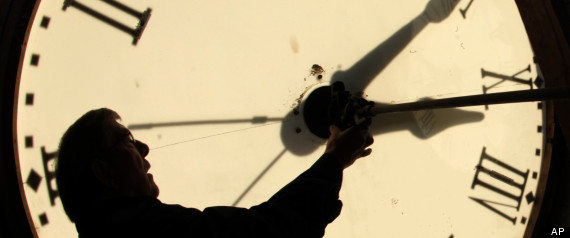
As daylight saving ends, it is also a good time to change your smoke alarm batteries. Alarms should have their batteries changed regularly and tested once a month. All too often, a battery is removed and not replaced, putting a home’s occupants at risk. There’s no way to predict when a fire will occur, so even one night without an operational smoke alarm can be dangerous. According to the National Fire Protection Association, almost two-thirds of home fire deaths resulted from fires in properties without working smoke alarms. A working smoke alarm significantly increases your chances of surviving a deadly home fire.

The Tennessee Daily Herald recommends these smoke alarm safe practices:

◆ Install at least one smoke alarm on every level of the home, including the basement. For best protection, smoke alarms should be installed inside and outside sleeping rooms. Make sure everyone can hear the alarm and knows what it sounds like;

◆ For the best protection, equip your home with a combination of ionization and photoelectric smoke alarms or dual-sensor alarms;

◆ Smoke alarms with non-replaceable (long-life) batteries are available and are designed to remain effective for up to 10 years. If the alarm chirps on these units, warning that the battery is low, replace the entire smoke alarm right away;

◆ Test alarms once a month using the test button. Replace the entire alarm if it’s more than 10 years old or doesn’t work properly when tested;

◆ Devise a fire escape plan with two ways out of every room and a common meeting place. Share and practice the plan with all who live in the home, including children;

◆ When a smoke alarm sounds, get out of the home immediately and go to your pre-planned meeting place to call 911.

The CDC finds that cooking and smoking are the main causes of fire related deaths and residential fires. The New York City fire department states that 75% of their worst case fires occurred in homes without a smoke alarm. Although the number of fatalities and injuries caused by residential fires has declined gradually over the past several decades, many residential fire-related deaths remain preventable and continue to pose a significant public health problem.

 
This month, SafetySkills is offering the Fire Safety online safety training course for free. While this course is designed for offices and workplace training, it contains useful information that can be applied to home situations. The 20 minute course will help the viewer to understand the importance of knowing and understanding an evacuation plan and what to do in case of a fire in the workplace. The course also touches on portable fire extinguisher techniques and tips. Please visit our free course of the month page for more information on this month’s free course and to get started by signing up for a SafetySkills Direct account.

Wednesday, March 13, 2013

Don't Let Daylight Savings Time Leave You in the Dark


For many people, the effects of Daylight Savings is still lasting many days after the hour was long gone on Sunday. Who knew the loss of one hour of sleep could still be effecting us days later? According to the National Sleep Foundation, the average number of sleep an adult should have is 7 - 9 hours. If you are like me, you are lucky if you average about 6 hours per night, so that one hour loss on Sunday can really take a toll on your body. One study shows that many people will sleep an average of 40 minutes less the night after the change occurs. The Huffington Post reports that on the Monday after the time switch, there is an increase in car crashes, an increase in the number of alcohol related accidents, heart attacks and injuries in the workplace. Not only is that one hour less of sleep dangerous but it also makes workers generally less productive on Monday and more likely to waste time perusing the Internet.

The National Sleep Foundation states that there is no "magic number" on the exact amount of sleep a person should have but it does depend on the amount of activity a person is engaged in throughout the day. Although the number can vary for each individual, one thing sleep research certainly has shown is that sleeping too little can not only inhibit your productivity and ability to remember and consolidate information, but lack of sleep can also lead to serious health consequences and jeopardize your safety and the safety of individuals around you. On the other hand, research also shows that getting too much sleep, in excess of nine hours or more is associated with increased morbidity and mortality. This research also found that variables such as low socioeconomic status and depression were significantly associated with long sleep.


So what can you do to make sure you get the proper amount of sleep for your lifestyle? First step could be to see how you respond to different amounts of sleep. Pay careful attention to your mood, energy and health after a poor night's sleep as compared to a good one. Experts also recommend to establish a routine sleeping and waking schedule even on the weekend. Other suggestions include creating a sleep conducive environment that is dark, quiet and comfortable, finish eating at least 2 - 3 hours before bedtime, exercise regularly and avoid caffeine and alcohol products close to bedtime.  

If you are a shift worker, particularly a pipeline control room, you can also make yourself aware of the impact of sleep deprivation and ways to identify fatigue management strategies by taking the SafetySkills® Fatigue Management for Control Room Employees online safety training course. For more information on this course and all of our online safety training products, please visit SafetySkills.com/