Showing posts with label electrical dangers. Show all posts

Monday, April 1, 2013

Construction's Fatal Four

In the construction industry, OSHA states that there are 4 main causes of worker deaths per year. These "fatal four" are comprised of falls, struck by object and caught-in / between and electrocution. OSHA estimates that eliminating the Fatal Four would save 410 workers lives in America per year. Currently OSHA found that 85% of all citations are related to these four construction hazards.


According to OSHA, falls from heights are the leading cause of fatalities in construction, while falls on the same level are one of the leading causes of injuries. The SafetySkills Fall Protection course fulfills some of the requirements of a training program as outlined in 29 CFR 1926.503. The fulfilled requirements include: nature of fall hazards in the work area, the use and operation of guardrail systems, personal fall arrest systems, and safety net systems. This can be used to supplement company specific training and provide employees with a general knowledge of fall protection systems and fall hazards that exist in the workplace.


Caught in or between fatalities caused 3% of the deaths in construction for 2011. Struck by Fatalities make up 10% of the total deaths in construction. These hazards are often created when working around heavy equipment. Some common examples of Caught-in and caught-between injuries include: trench or excavation collapse, hand or foot caught in rotating equipment like augurs, rollers or wheels, unguarded moving parts in machinery, turned over vehicles, accidents during equipment or machinery maintenance, and accidents involving rigging used to lift or pull heavy materials. Upon completion of the SafetySkills Struck By/Caught Between online safety training course, the Learner will have displayed the ability to recognize common stuck by/caught between hazards associated with work in the construction industry and their recommended safe work practices. This course provides an overview of 29 CFR 1926.20.


OSHA states that about 5 workers are electrocuted every week and electrocution courses 12% of worker deaths each year. It takes very little electricity to cause harm. The primary causes of electrocution are contact with overhead power lines, contact with live circuits in panels, poorly maintain cords and tools and lightning strikes. The SafetySkills Electrical Safety online safety training course covers topics related to basic electric safety as outlined in 1926.403, 1926.404, 1926.416, and 1926.417. This course focuses on the construction industry and is not intended for qualified workers, who according to OSHA’s definition is a person knowledgeable in the construction and operation of the electric power generation, transmission, and distribution equipment involved.

Tuesday, December 6, 2011

Common Holiday Accidents

Research shows that more accidents occur during the holiday season than any other time of the year. The best way to prevent an injury is to learn what the most common reasons are that bring a person into the ER.


Car Accidents
Car accidents this time of year are extremely dangerous due to weather conditions and a higher-percentage of intoxicated drivers on the road than usual. Avoid driving in hazardous weather conditions when possible and winterize your vehicle before traveling. Above all else, never drink and drive.


Holiday Decorating
When it comes to holiday decorating a variety of accidents can happen. Over 5,000 each year involve falling off of a ladder hanging Christmas lights and decorations. The month of December is responsible for 25 percent of all home decorating fires. Fires caused by Christmas trees and decorative lights claim an average of 500 homes annually.


Winter Sports
Many people do not realize how dangerous winter sports can be and end up with extreme consequences. Skiing and snowboarding accidents cause hundreds of physical injuries, as well as frostbite, hypothermia and severe sun burns. 35,000 sledding injuries occur each year. In 2004, 11,000 children sought medical attention from ice skating injuries.


Kitchen Fires
Fire departments across the country plead with the public to be careful in the kitchen during the holidays to avoid kitchen fires. Three out of ten home fires began in the kitchen. To reduce the risk of a kitchen fire, do not leave cooking food unattended and keeping flammable materials away from heat sources.


Cuts
From cooking to wrapping presents, if it’s sharp it can cut the skin. Hundreds of people cut themselves every year working hard to create the perfect holiday mood. Be careful with sharp objects and keep out of the reach of children. Make sure that first aid kits are available when needed.


Poisonous Christmas Plants
The many holiday plants are poisonous and can cause severe reactions if ingested. Keeping poinsettias, mistletoe, holly, Jerusalem cherry and amaryllis out of the reach of small children and pets is the best way to ensure that there will be no need to call poison control.


Electrical Shock
Electrical decoration mishaps bring an average of 5,000 people to the emergency room each year. Only use extension cords that are in good condition (not frayed) and never run them underneath any kind of fabric, including rugs. Be careful to overload electrical sockets and unplug devices when they are no longer in use.


Shoveling Snow and Snow Blowers
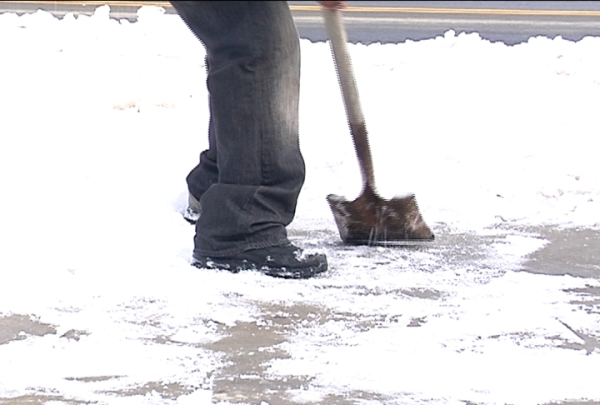
Removing snow and ice from walkways and driveways provides protection from potential lawsuits, but each year 100,000 injuries are result of this chore. When shoveling snow, lift with knees bent and a straight back to prevent back injury. Permission from a physician is necessary for those with heart conditions and should stop immediately if chest pains occur. When using a snow blower, the fourth leading cause of finger amputation, always wear protective eye wear and keep hands away from the auger. Make sure that all safety devices are in working condition and read safety instructions before operating.

To learn more about SafetySkills, visit SafetySkills.com.

Friday, September 9, 2011

Free Safety Course of the Month - Electrical Safety

If you haven't yet visited the SafetySkills website, then you are missing out on our free online safety training courses. Once you sign up for a free basic account with us, you then have access to 15 free safety courses focused on general industry safety topics. After completion of the course, you will be able to print out a free certificate of completion that includes your name, date and title of the course. The free account is perfect for individuals or small companies looking to train a few employees. In this month's Free Course Safety Spotlight, we are featuring Electrical Safety.


The National Institute for Occupational Safety and Health (NIOSH) states that electrical currents exposes workers to a serious, widespread occupational hazard; practically all members of the workforce are exposed to electrical energy during the performance of their daily duties, and electrocutions occur to workers in various job categories. Many workers are unaware of the potential electrical hazards present in their work environment, which makes them more vulnerable to the danger of electrocution.

With the free Electrical Safety online safety course, the learner will demonstrate knowledge of potential hazards associated with electrical equipment in the workplace and how to minimize or eliminate those hazards. Employees will learn how to recognize the dangers of electricity, possible electrical injuries, and how to use standard hazard controls. This course covers topics related to basic electric safety as outlined in OSHA standards 1926.403, 1926.404, 1926.416, and 1926.417.


There is no need for people to be injured at the workplace because of improper training. To take the free Electrical Safety online course or to view our other free courses, please visit us at SafetySkills.com