Showing posts with label kitchen fires. Show all posts

Monday, September 16, 2013

Home Injury Prevention and Safety Tips

Most people consider their homes as a place of comfort, security and safety. Unfortunately the fact is that each year, more than 18,000 Americans die from accidental injuries that take place in their home. The most common household injury related deaths are unintentional poisonings, unintentional falls, and unintentional fire or burn.

Researchers have identified the major causes of most fires: cooking, heating equipment, and smoking. They have also identified the groups at highest risk of injuries from fires: very young children, older adults, people with disabilities, and people who live in poverty. Additionally, research has shown that residential smoke alarms, when functional, can prevent 50% to 80% of deaths by providing early warning of fires, which often occur at night when people are sleeping.

According to the Center for Disease Control, there are approximately 2 million poison exposures in the United States every year - 57 percent among children under the age of six. Tragically, approximately 30 children die every year due to accidental poisonings. The most common exposures for children are ingestion of household products, such as cleaning substances, medications, cosmetics, personal care products, foreign bodies and plants. The majority of these accidental poisonings - a whopping 90 percent - occur in the home.

Approximately 30% of older adults and 40% of those over age 80 report having fallen in the past year. Falls account for 29% of injury deaths among adults ages 65 and older and result in 300,000 hip fractures annually at a cost of more than $10 billion. Of the nearly 3 million emergency doctor visits each year for falls among children and adolescents, more than 40% occur among infants, toddlers, and preschoolers. Annual direct medical costs for falls among young children are estimated at $958 million.

It is a common misconception that injuries are “accidents” that can’t be prevented. However there are steps that can be made to prevent injuries from occurring in your home. Supervision is generally considered one of the strongest yet least understood protective factors against many types of home and community injuries. The key to preventing injuries is making simple changes to your lifestyle - recognizing where most hazards are and how injuries can occur when participating in different activities. Some key home safety tips include:

·         Non slip mats in tub or shower
·         Remove clutter from stairs and walkways
·         Install safety gates in homes with babies and toddlers
·         Use Plexiglass guards on lofts, landings and balconies
·         Have night lights in bathrooms and halls
·         Install window guards
·         Purchase products with child safety lids when available
·         Store chemicals safety and out of the reach of children
·         Post the poison control telephone number
·         Have working smoke alarms and change the batteries once a year
·         Have a fire extinguisher
·         Perform monthly fire drills with your family
·         Be vigilant of small toys and objects that can cause tripping or choking hazards.


Education is also a key in preventing home accidents and injuries. Protect yourself and your family with our online safety training courses such as Fire Safety and Slips, Trips and Falls. These courses can be applied to both home and work situations. SafetySkills also offers an Off the Job Safety training series with courses that start as low as $4.95 each. Titles in this series include Household Chemical Safety, Halloween Safety Tips and Lawn Mower Safety.


For more information on SafetySkills and other course offerings, please visit us at http://safetyskills.com

Tuesday, December 6, 2011

Common Holiday Accidents

Research shows that more accidents occur during the holiday season than any other time of the year. The best way to prevent an injury is to learn what the most common reasons are that bring a person into the ER.


Car Accidents
Car accidents this time of year are extremely dangerous due to weather conditions and a higher-percentage of intoxicated drivers on the road than usual. Avoid driving in hazardous weather conditions when possible and winterize your vehicle before traveling. Above all else, never drink and drive.


Holiday Decorating
When it comes to holiday decorating a variety of accidents can happen. Over 5,000 each year involve falling off of a ladder hanging Christmas lights and decorations. The month of December is responsible for 25 percent of all home decorating fires. Fires caused by Christmas trees and decorative lights claim an average of 500 homes annually.


Winter Sports
Many people do not realize how dangerous winter sports can be and end up with extreme consequences. Skiing and snowboarding accidents cause hundreds of physical injuries, as well as frostbite, hypothermia and severe sun burns. 35,000 sledding injuries occur each year. In 2004, 11,000 children sought medical attention from ice skating injuries.


Kitchen Fires
Fire departments across the country plead with the public to be careful in the kitchen during the holidays to avoid kitchen fires. Three out of ten home fires began in the kitchen. To reduce the risk of a kitchen fire, do not leave cooking food unattended and keeping flammable materials away from heat sources.


Cuts
From cooking to wrapping presents, if it’s sharp it can cut the skin. Hundreds of people cut themselves every year working hard to create the perfect holiday mood. Be careful with sharp objects and keep out of the reach of children. Make sure that first aid kits are available when needed.


Poisonous Christmas Plants
The many holiday plants are poisonous and can cause severe reactions if ingested. Keeping poinsettias, mistletoe, holly, Jerusalem cherry and amaryllis out of the reach of small children and pets is the best way to ensure that there will be no need to call poison control.


Electrical Shock
Electrical decoration mishaps bring an average of 5,000 people to the emergency room each year. Only use extension cords that are in good condition (not frayed) and never run them underneath any kind of fabric, including rugs. Be careful to overload electrical sockets and unplug devices when they are no longer in use.


Shoveling Snow and Snow Blowers
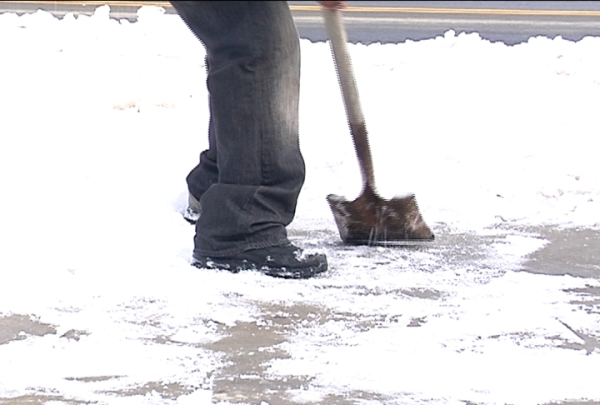
Removing snow and ice from walkways and driveways provides protection from potential lawsuits, but each year 100,000 injuries are result of this chore. When shoveling snow, lift with knees bent and a straight back to prevent back injury. Permission from a physician is necessary for those with heart conditions and should stop immediately if chest pains occur. When using a snow blower, the fourth leading cause of finger amputation, always wear protective eye wear and keep hands away from the auger. Make sure that all safety devices are in working condition and read safety instructions before operating.

To learn more about SafetySkills, visit SafetySkills.com.