Monday, April 1, 2013

Construction's Fatal Four

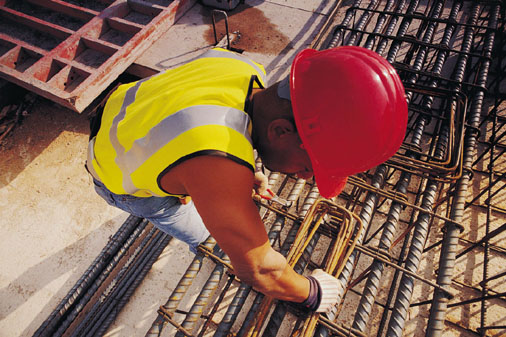
In the construction industry, OSHA states that there are 4 main causes of worker deaths per year. These "fatal four" are comprised of falls, struck by object and caught-in / between and electrocution. OSHA estimates that eliminating the Fatal Four would save 410 workers lives in America per year. Currently OSHA found that 85% of all citations are related to these four construction hazards.


According to OSHA, falls from heights are the leading cause of fatalities in construction, while falls on the same level are one of the leading causes of injuries. The SafetySkills Fall Protection course fulfills some of the requirements of a training program as outlined in 29 CFR 1926.503. The fulfilled requirements include: nature of fall hazards in the work area, the use and operation of guardrail systems, personal fall arrest systems, and safety net systems. This can be used to supplement company specific training and provide employees with a general knowledge of fall protection systems and fall hazards that exist in the workplace.


Caught in or between fatalities caused 3% of the deaths in construction for 2011. Struck by Fatalities make up 10% of the total deaths in construction. These hazards are often created when working around heavy equipment. Some common examples of Caught-in and caught-between injuries include: trench or excavation collapse, hand or foot caught in rotating equipment like augurs, rollers or wheels, unguarded moving parts in machinery, turned over vehicles, accidents during equipment or machinery maintenance, and accidents involving rigging used to lift or pull heavy materials. Upon completion of the SafetySkills Struck By/Caught Between online safety training course, the Learner will have displayed the ability to recognize common stuck by/caught between hazards associated with work in the construction industry and their recommended safe work practices. This course provides an overview of 29 CFR 1926.20.


OSHA states that about 5 workers are electrocuted every week and electrocution courses 12% of worker deaths each year. It takes very little electricity to cause harm. The primary causes of electrocution are contact with overhead power lines, contact with live circuits in panels, poorly maintain cords and tools and lightning strikes. The SafetySkills Electrical Safety online safety training course covers topics related to basic electric safety as outlined in 1926.403, 1926.404, 1926.416, and 1926.417. This course focuses on the construction industry and is not intended for qualified workers, who according to OSHA’s definition is a person knowledgeable in the construction and operation of the electric power generation, transmission, and distribution equipment involved.


Wednesday, March 13, 2013

Don't Let Daylight Savings Time Leave You in the Dark


For many people, the effects of Daylight Savings is still lasting many days after the hour was long gone on Sunday. Who knew the loss of one hour of sleep could still be effecting us days later? According to the National Sleep Foundation, the average number of sleep an adult should have is 7 - 9 hours. If you are like me, you are lucky if you average about 6 hours per night, so that one hour loss on Sunday can really take a toll on your body. One study shows that many people will sleep an average of 40 minutes less the night after the change occurs. The Huffington Post reports that on the Monday after the time switch, there is an increase in car crashes, an increase in the number of alcohol related accidents, heart attacks and injuries in the workplace. Not only is that one hour less of sleep dangerous but it also makes workers generally less productive on Monday and more likely to waste time perusing the Internet.

The National Sleep Foundation states that there is no "magic number" on the exact amount of sleep a person should have but it does depend on the amount of activity a person is engaged in throughout the day. Although the number can vary for each individual, one thing sleep research certainly has shown is that sleeping too little can not only inhibit your productivity and ability to remember and consolidate information, but lack of sleep can also lead to serious health consequences and jeopardize your safety and the safety of individuals around you. On the other hand, research also shows that getting too much sleep, in excess of nine hours or more is associated with increased morbidity and mortality. This research also found that variables such as low socioeconomic status and depression were significantly associated with long sleep.


So what can you do to make sure you get the proper amount of sleep for your lifestyle? First step could be to see how you respond to different amounts of sleep. Pay careful attention to your mood, energy and health after a poor night's sleep as compared to a good one. Experts also recommend to establish a routine sleeping and waking schedule even on the weekend. Other suggestions include creating a sleep conducive environment that is dark, quiet and comfortable, finish eating at least 2 - 3 hours before bedtime, exercise regularly and avoid caffeine and alcohol products close to bedtime.  

If you are a shift worker, particularly a pipeline control room, you can also make yourself aware of the impact of sleep deprivation and ways to identify fatigue management strategies by taking the SafetySkills® Fatigue Management for Control Room Employees online safety training course. For more information on this course and all of our online safety training products, please visit SafetySkills.com/

Monday, March 4, 2013

Workplace Bullying - A Common Issue Often Overlooked


Workplace bullying is picking up speed as a national issue. According to abcnews.com, Workplace bullying can lead to increased employee turnover and can even affect your company's bottom line with a loss of productivity and corporate morale. Half of the employers in a 2011 survey by the management association reported incidents of bullying in their workplace. Workplace bullying can include a supervisor's verbal abuse or cruel comments or teasing from a co-worker. Experts believe that workplace bullying could become the next major issue in employment law as a growing number of states consider legislation that would let workers sue for harassment that causes physical or emotional harm. Some employers have put into place anti-bullying policies, but advocacy groups are urging states to give legal rights to workers who do not already fit into a protected class based on race, gender or national origin.

In a 2010 survey conducted by The Workplace Bullying Institute, it was found that 35% of the U.S workforce report being bullied at work; an additional 15% witness it. Half of all Americans have directly experienced it. Workplace bullying prevents work from getting done and in its most severe forms can cause hypertension, auto-immune disorders, depression and anxiety.

In May 2010, New York was the one of the first states to pass the Healthy Workplace Bill. This bill would let workers sue for physical, psychological or economic harm due to abusive treatment on the job. As of 2013, 8 states have an active Healthy Workplace Bill. Twenty three states have introduced the bill since 2003 but without the bill passing. Sioux City, Iowa was the first school district in the nation to address workplace bullying for their adult employees. They have voluntarily created polices and credible enforcement procedures to purge destructive individuals. According to HealthyWorkplaceBill.org, The true purpose of the Healthy Workplace bill is to get employers to prevent bullying with policies and procedures that apply to all employees.

While no state or federal law is currently in effect, it is up to each individual company or employer to take seriously the effects of workplace bullying and to put in place effective policies that are enforced by organizational leaders. SafetySkills offers an online safety training course to help get your company started on the right path. Conflict Resolution Strategies for the Workplace teach the employee effective skills to resolve disputes and react with practical conflict coping strategies. To view more about this course and the other courses in our Human Resources Compliance online training course series, please click here.

Monday, February 25, 2013

Be Prepared for Hidden Dangers this Winter


As winter is kicking it into high gear it's important to be aware of the added risks that weather causes on and off the job. Winter risks aren't always directly associated with snow and ice. Here are a few hidden dangers to keep in mind this winter season.

  • Heart Attack and Strokes - There are an estimated 53% more heart attacks in the winter than in the summer. This is true for all parts of the country, even those that do not receive any snow. It's the cold not just the snow that causes the heart to work harder.
  • Electrocution due to downed power lines or downed objects in contact with power lines - Strong winds that often accompany winter storms can knock down trees, telephone poles and power lines. Ice can build up on utility poles and power lines and can disrupt communication and knock out power for days.
  • Roof Collapse under Weight of Snow - The greatest danger of collapse due to snow load is to buildings with flat roofs. Buildings with flat roofs do not allow the snow to slide off. Pitched roofs can hold more weight and have a greater tendency for snow to slide off or allow the melted water to run off.
  • Chimney Fires - Over time, creosote, the sticky residue from burning wood, can build up causing a potentially fiery situation. Birds nests and fallen leaves can also cause blockages, forcing smoke back into your home. When your chimney is not in use, make sure the flue is closed securely to cut back on drafts and wasted energy.
  • Frozen Pipes - Without proper insulation, frozen pipes could leave you water-less or even fighting with a burst pipe. Make sure that any exposed pipes are insulated. Additionally, make sure to seal up any holes in the home near pipes that allow frigid winds to blow around them.
  • Car Battery Failure and Tire pressure - Cold weather can impair an aging battery's ability to start your car, especially in below freezing temperatures. Car batteries should be replaced every 3 years. Cold temperatures also effect the level of your tire pressure. The change in atmospheric pressure cause tires with plenty of air in the summer to deflate slightly in the winter.
  • Hypothermia - Hypothermia occurs when your body loses heat faster than it is able to produce it. Warning signs of hypothermia include increased shivering, slurred speech, impaired judgement, poor muscle coordination and in some cases even death. When having to be outside for long periods of time, it is important to dress appropriately. Wear several layers of loose fitting, lightweight clothing. Make sure to prepare with a outer jacket that repels water and protect your face and hands with hats, gloves and scarves.
SafetySkills is a leading provider for online safety training. To further protect yourself and employees this winter season, be sure to check out our Cold Stress in the Workplace course or Hazardous Driving Conditions.

Monday, February 18, 2013

Obama Faces Tough Keystone Pipeline Decision

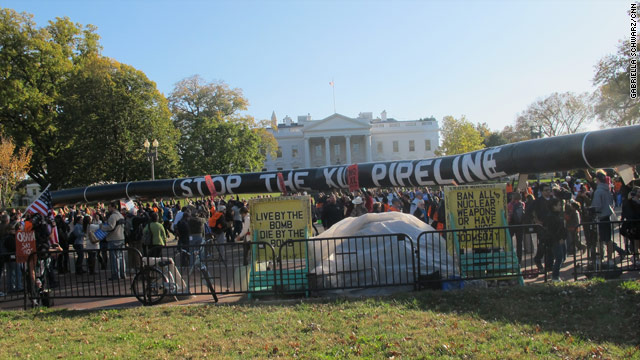
President Obama is faced with the daunting predicament of keeping his campaign promises or maintaining a relationship with Canada. Obama must make a decision soon on allowing the construction of the Keystone XL pipeline. This pipeline, if approved, will span 2,000 miles and connects Canadian oil sands to refineries in Houston and throughout the Gulf of Mexico. The proposed pipeline will reduce the United State's dependence on oil import and OPEC. Environmentalist disapprove of the pipeline because it will carry oil derived from toxic tar sands. 


Obama may lose the support of the environmental groups he won over while campaigning for re-election.  The approval of the pipeline would go against his environmental promises because of the carbon emissions caused by the production of tar sands oil. This decision may backtrack all of the environmental strides the President has made. For the Sierra Club and other environmental groups, they view the approval of the pipeline as a betrayal  and a contradiction to Obama's promises to make the climate change a top priority of his second term. 


Canada's government has stated that the country's economy, employment and national security will benefit from the Keystone project despite being widely protested by environmental groups. According to the New York Times, Canada has powerful allies in the United States labor movement, which is pushing for the pipeline because proponents say it would generate tens of thousands of jobs, and in big companies like Exxon Mobile and Chevron that are heavily invested in the oil sands fields. "The signal of a rejection of a permit by the president would be a significant change in the Canada - U.S. relationship," said Greg Stringham, the Canadian Association of Petroleum Producers' vice president for oil sands and markets. 

Reuters sources say the decision may be delayed until June. 


Wednesday, January 23, 2013

The Importance of Human Resource Training

Human resources has the demanding task of attracting, motivating, and retaining the most qualified employees and matching them to jobs for which they are best suited. In an effort to enhance morale and productivity, limit job turnover, and help organizations increase performance and improve results, these worker also help their companies effectively use employee skills. They also provide training and development opportunities to improve those skills, as well as increase employees satisfaction with their jobs and working conditions.

There are many instances where small or large businesses face a difficult situation where they may need guidance. It is important that every employee and employer know their basic rights. Knowing these rights combined with the extra knowledge to be learned on how to prevent conflict in the workplace, will benefit everyone.

This course series helps the learner in maintaining EEOC standards while increasing employee's satisfaction with their jobs and working conditions:

The Importance of Human Relations Compliance Training

Human Resources has the demanding task of attracting, motivating, and retaining the most qualified employees and matching them to jobs for which they are best suited. In an effort to enhance morale and productivity, limit job turnover, and help organizations increase performance and improve results, these workers also help their companies effectively use employee skills. They also provide training and development opportunities to improve those skills, as well as increase employees' satisfaction with their jobs and working conditions.

There are many instances where small or large businesses face a difficult situation where they may need guidance.

It is important that every employee and employer knows their basic rights. Knowing these rights combined with extra knowledge to be learned on how to prevent tension, will benefit everyone.

This course series helps the learner in maintaining EEOC standards while increasing employees' satisfaction with their jobs and working conditions: